04 of 15
Increasing access to safe water in rural Kenya
Maintenance and Reporting Solutions for WaterStarters' Franchisees

The Challenge
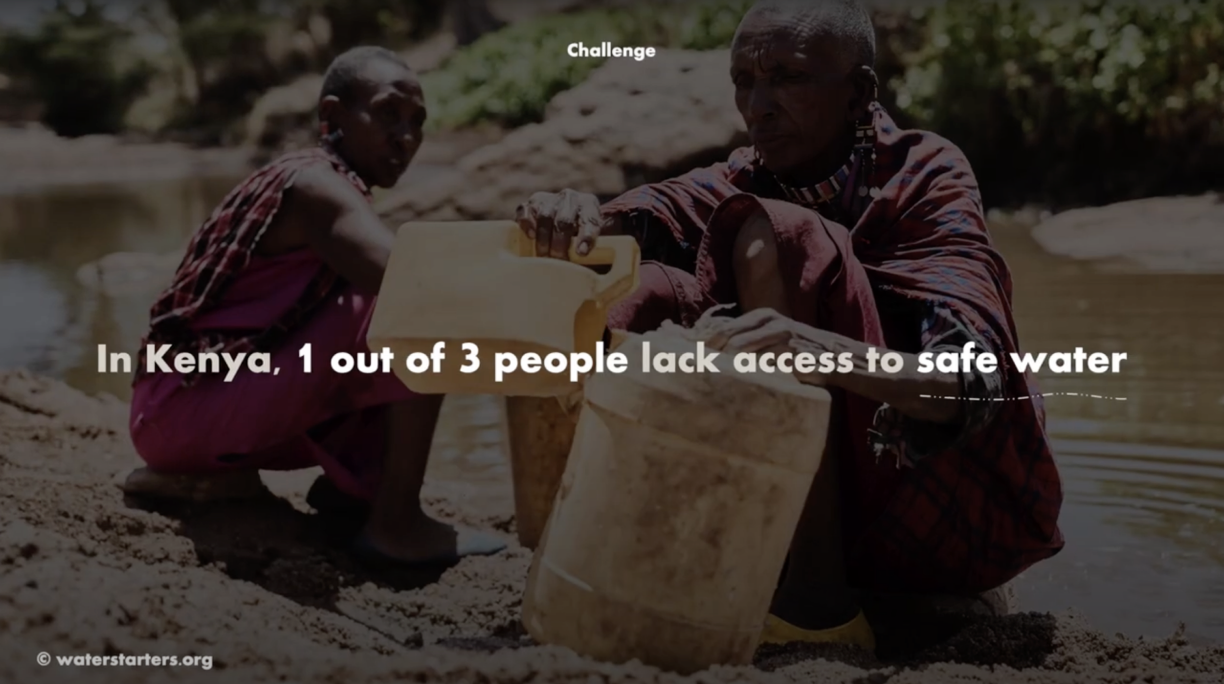
In Kenya, 30–40% of the installed water supply systems are broken, and 1 out of 3 people still consume water from unprotected sources. Water systems are mechanical, and if they are not regularly maintained, they eventually break down.
The Solution
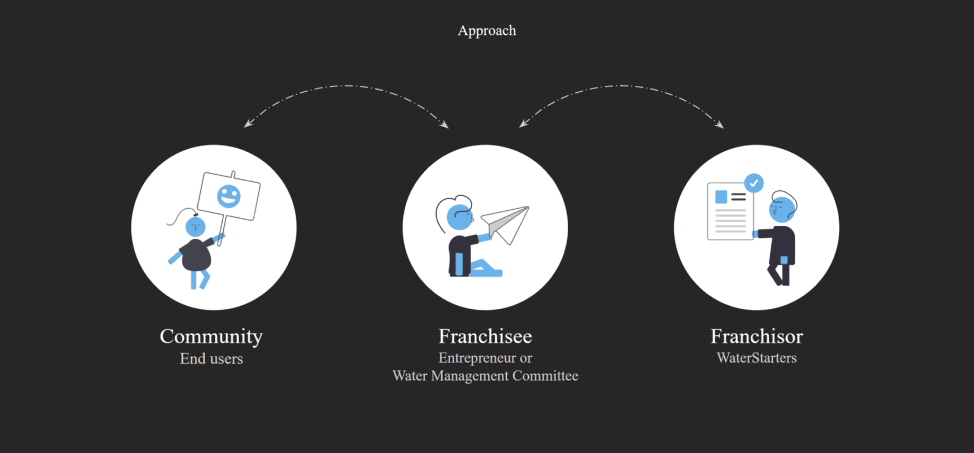
We are working with WaterStarters on an initiative geared towards increasing access to safe water in rural areas in Kenya, by partnering up with local entrepreneurs to run new water scheme businesses, through a franchising model.
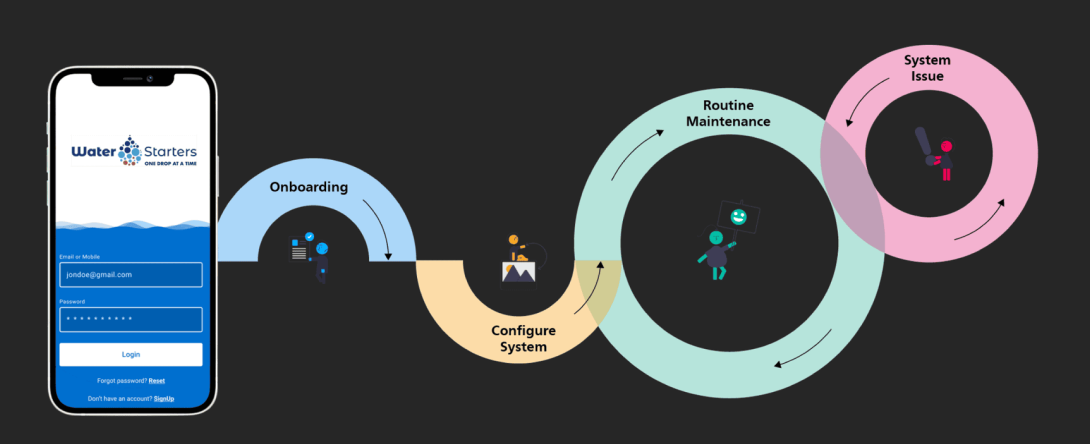
Our mobile app helps the Franchisee record information during water scheme maintenance checks and guides what to do if an issue arises. The Franchisee can upload images, voice, and text data on location onto the app, and WaterStarters can access the necessary data for compliance checking.
We are prototyping with the first Franchisee in Kumpa, Kajiado county, a community of 2,800 people and over 5,000 livestock. 10 further water schemes are in development, including in Makueni, Machakos, and Kitui counties. Beyond the 12 and 24-month targets, the ambition is to scale to 580 water schemes across rural and peri-urban Kenya regions, to reach 1.5 million people by 2030.
- 580 water schemes to be supported by 2030
- 1.5M people with access to clean water by 2030
- < 5 min app onboarding with no prior smartphone experience
Anticipated Additional Impact
Income
Reduced spend on medicine, reduced time away from work to collect water so increased income, increased income from better fed and watered livestock.
Health & Wellbeing
Reduced water-borne disease, reduced need for medicine, reduced visits to clinics/hospitals, better nutrition through food cooked with clean water, happier communities.
Education
Reduced time away from school to collect water.